
An accomplished career can still be difficult to present within the strict requirements of an EB-1 petition. An EB-1 visa lawyer in Fairfax, VA can review your research, leadership roles, publications, awards, and other achievements to determine which evidence best supports the case. The goal is to present a clear record that matches the legal criteria USCIS actually uses to evaluate EB-1 petitions.
Northern Virginia’s research institutions, universities, and government contractors produce a steady pipeline of EB-1 candidates, and the region’s density of high-level talent means local officers see a lot of strong petitions. Standing out takes more than a title. It takes documentation built around what USCIS actually looks for. Some EB-1 cases develop naturally out of an ongoing employment immigration matter, especially for executives already sponsored under another category who are ready to move toward something permanent.
EB-1A, EB-1B, and EB-1C each have their own eligibility rules and evidence requirements, so the right category depends on the applicant’s background and the basis of the petition. Confusing them wastes time and, worse, wastes evidence that would’ve been far more persuasive under the correct category.
This path is open to people at the very top of their field- sciences, business, education, athletics- without needing a specific employer to sponsor them. Self-petitioning is allowed here, which sets EB-1A apart from almost every other employment-based category.
Academic reputation carries this category. A sustained record of scholarship, teaching, or research recognized internationally matters more than any single accolade, and an employer’s offer of a permanent research or teaching position is required.
Someone transferred from a company’s overseas operation into a U.S. role can qualify here, but the position itself has to genuinely involve executive or managerial authority. A senior-sounding title attached to hands-on daily work usually doesn’t clear the bar.
Awards, published material, judging others’ work, high compensation relative to the field, and evidence stacks matter here, and USCIS wants several of these criteria satisfied, not just one impressive credential standing alone.
At least three years of teaching or research experience typically anchors this category, paired with recognized international standing and a qualifying permanent position in the U.S.
The petitioning company has to show a genuine, ongoing relationship with the foreign entity, and the beneficiary needs at least one year of qualifying executive or managerial experience abroad within the prior three years.
Most careers include a mix of strong and weak evidence in each category. An honest read of what’s actually there, before filing, saves far more time than discovering the gaps through an RFE.
We build these cases criterion by criterion. Before drafting anything, we sit down with you and map your career against the specific evidentiary categories USCIS recognizes, awards, published material, judging others’ work, and so on, then highlight which ones your record can genuinely support with hard proof versus which ones would need a lawyer’s assertion to carry the weight instead of your own evidence. That mapping shapes everything that follows: which letters we request, which documents we prioritize gathering, and which achievements get top billing in the petition narrative.
These cases only work when your evidence and your sponsoring institution’s paperwork tell the same story. We coordinate directly with your university or research employer early, not after a draft is already written, so the position offer, the department’s description of your role, and your own academic record all line up instead of contradicting each other in ways an officer would notice.
We start on the corporate side before touching the individual petition. That means reviewing the foreign entity’s ownership structure, the U.S. affiliate’s financials, and the actual reporting lines of your role, because a title alone won’t satisfy USCIS. We push clients to document real decision-making authority, budget control, staff supervision, not just an org chart with your name near the top.
Once we’ve got an approved I-140 in hand, we walk you through whichever path applies to your situation, filing for adjustment of status if you’re already here, or coordinating with the National Visa Center and the relevant consulate if you’re applying from abroad, and we highlight early which route fits your timeline better rather than letting you default into whichever one seems obvious.
When an RFE comes in, we treat it as a diagnostic, not a crisis. We go back to the specific criterion USCIS flagged, figure out exactly what was problematic about the original documentation, and rebuild that one piece with stronger, more targeted evidence rather than re-submitting a bigger version of what didn’t work the first time.
Generic advice doesn’t work here. A researcher’s evidence looks nothing like an executive’s, and the strategy has to reflect that from the first conversation.
We map your actual accomplishments against the legal criteria line by line, rather than assuming a strong resume automatically clears the bar. Occasionally, an EB-1 case connects to a family immigration matter too, spouses or children whose own status depends on how the primary petition resolves.
From the initial assessment through adjustment of status or consular processing, someone stays on the case the whole way, not just for the filing.
EB-1A covers extraordinary ability across most fields and allows self-petitioning. EB-1B covers outstanding professors and researchers with a qualifying employer offer. EB-1C covers multinational executives and managers transferring into a U.S. role with the same company or a qualifying affiliate.
Yes. EB-1A is one of the few employment-based categories that allows self-petitioning, meaning no U.S. employer sponsorship is required, though evidence of ongoing work in the field still matters.
USCIS looks for evidence across several possible criteria: major awards, published material, judging others’ work, original contributions of major significance, and others, generally expecting several to be satisfied together rather than just one.
Professors and researchers with an internationally recognized record in their academic field, generally at least three years of relevant experience, and a qualifying permanent position offer from a U.S. employer.
Executives or managers who’ve worked at least one qualifying year abroad for the same company, or an affiliated one, within the past three years, and who are transferring into a genuinely executive or managerial U.S. role.
Yes, EB-1 is itself an employment-based immigrant visa category, meaning approval leads directly toward permanent residence rather than temporary status.
Whether your strength lies in research, business leadership, or a record of recognized achievement, contact Fayad Law at (703) 998-5390 to find out honestly where your case stands.


Immigration Law Services
Skilled
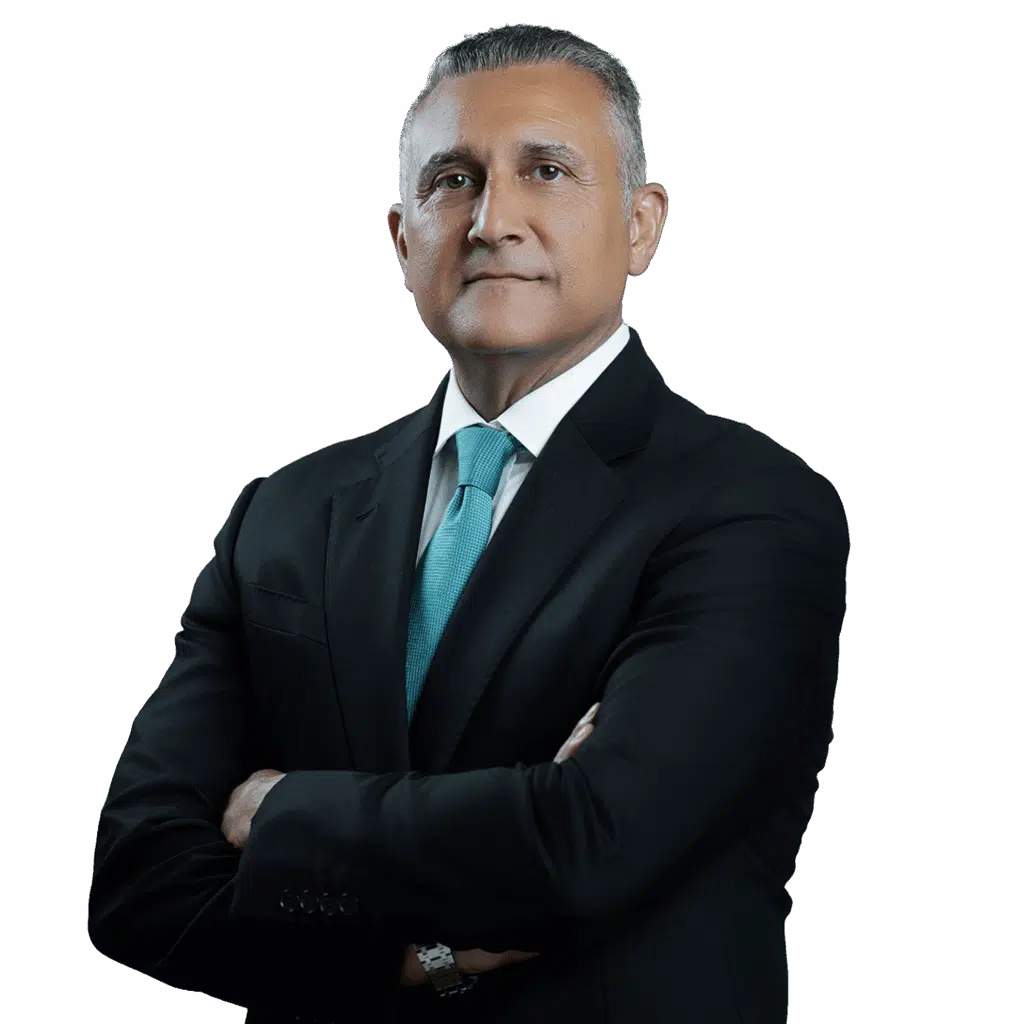
Nash J. Fayad
Founder & Managing Attorney
Richmond VA, Fairfax VA
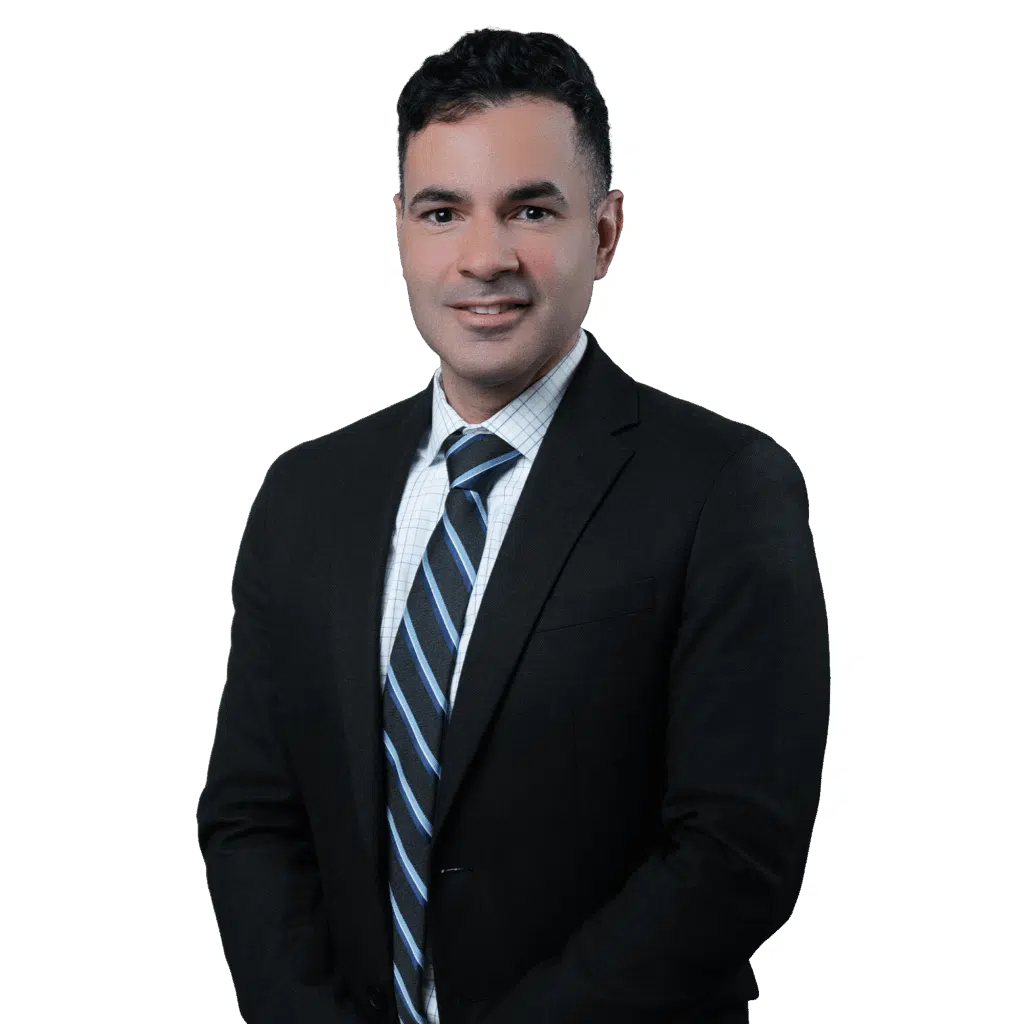
Dariel Cancel
Partner & Managing Attorney EOIR Division
Fairfax VA, Washington DC

Patricia Wonder
USCIS Division Manager
Fairfax VA


Jake Weiss
Civil Litigation Attorney
Richmond VA

See the clients we’ve successfully represented
PROVEN RESULTS. SATISTIED CLIENTS.

