
You finally got your green card and then you look at the expiration date. Such a time, for many, is quite a perplexing experience. Has the nature of the thing changed? Is this an inferior one? Actually, no. A conditional green card is only a limited immigration category, and it is not an error or a less good version. Each year, thousands of people are granted such status, and the majority of them manage to fully secure their permanent residence. However, the procedure requires time limits, documents, and there are a few legal traps that one can easily fall into if one does not have proper guidance. Let us explain in straightforward terms what a conditional green card is, who gets one, what your rights and limitations are while possessing it, and how the procedure of removing the conditions is done.
What is a Conditional Green Card?
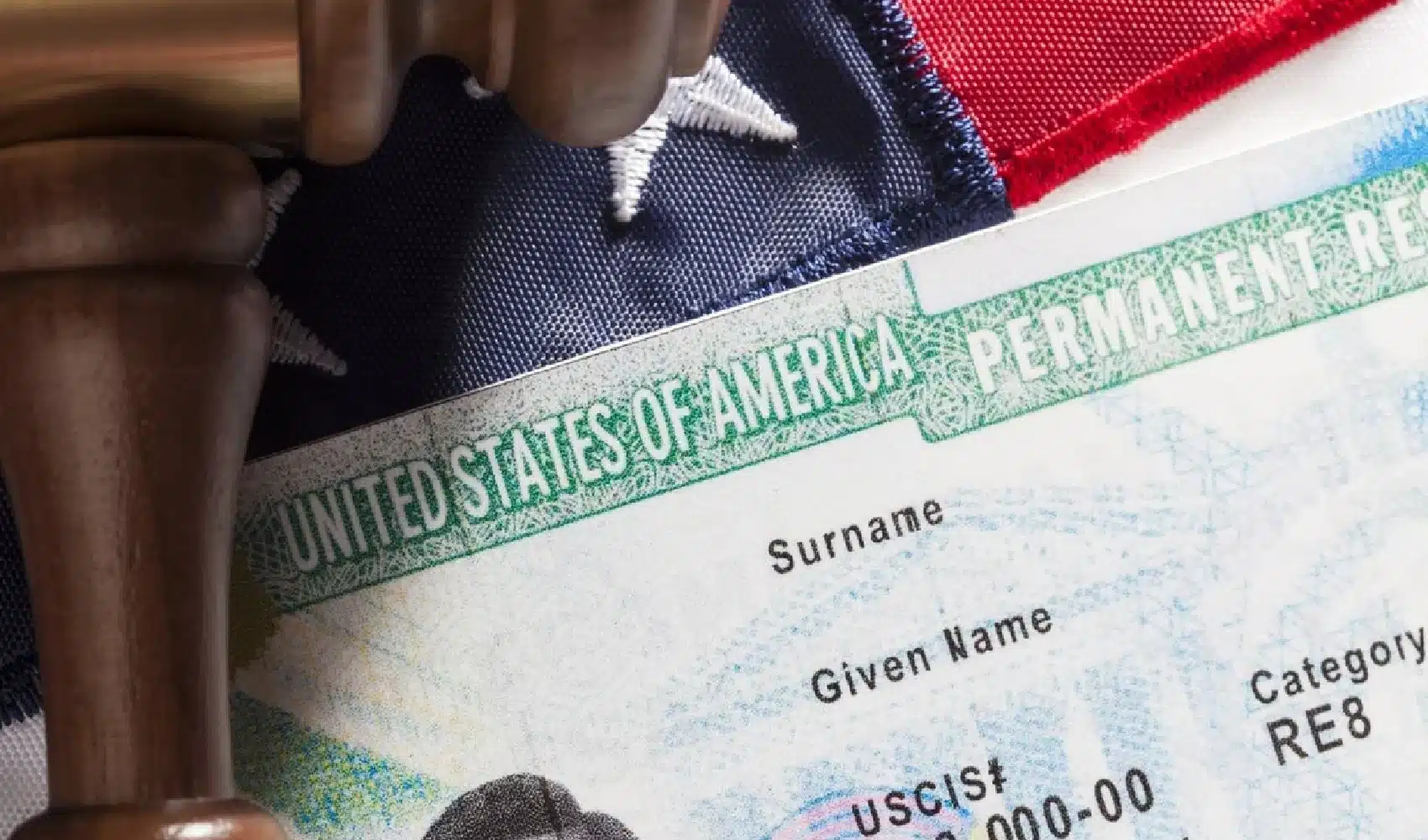
A conditional green card gives you lawful permanent residence just for two years instead of the usual ten. USCIS issues it in situations where there isn’t enough established history yet to justify a full, unconditional grant of permanent status. The official term is “conditional permanent resident.” Your card looks almost identical to a standard green card. The main difference is the expiration date printed on the front: two years from issuance, not ten.
Congress created the conditional resident green card category in 1986, primarily to reduce marriage-based fraud. The idea was straightforward, if a couple has only been married a few months, give them two years to prove the relationship is genuine before granting permanent status. The same general logic applies to investor cases, where the economic impact of an investment takes time to materialize.
Who Gets a Conditional Green Card?
Not everyone who gets a green card ends up with a conditional one. It applies to two main groups.
Marriage-Based Conditional Green Card
This is the most common situation by a wide margin. If you received your green card through marriage to a U.S. citizen or lawful permanent resident, and your marriage was less than two years old on the date your green card was approved, you’ll get a conditional card. A couple married for six years before filing has an obvious track record. A couple who married eight months ago doesn’t, at least not yet. The 2 year conditional green card period gives USCIS a chance to revisit the case once there’s more history to review. It isn’t a judgment about whether your relationship is real. It’s just a procedural rule that applies uniformly to everyone in this category.
EB-5 Investor Visa
The second group is made up of immigrant investors who come through the EB-5 program. These individuals invest a substantial amount of capital into a qualifying U.S. business that creates or preserves jobs and when their green card is first approved, it comes with conditions attached. To make it permanent, EB-5 investors must file Form I-829, the Petition by Investor to Remove Conditions on Permanent Resident Status. This requires detailed evidence that the investment was actually made, sustained over time, and generated the required number of jobs. It’s a significantly more document-heavy process than the marriage-based route, and the stakes are high enough that most investors work through an attorney.
Do Children of Conditional Residents Also Get Conditional Status?
Yes. Children included in the same petition as a conditional resident parent will also receive conditional green cards, subject to the same two-year limitation. In most cases, they can be added to the parent’s I-751 filing rather than submitting separate petitions. If a child was accidentally left off the original petition, they may need to file independently. It’s worth double-checking this, because catching the oversight early is a lot easier than fixing it under pressure later.
What If Your Marriage Was Already Over 2 Years Old at Approval?
This trips people up regularly. The two-year rule is based on when your green card is approved not when the petition was filed. So if your marriage passed the two-year mark before USCIS issued your card, you’d receive a standard 10-year green card. If USCIS took a long time to process your case and your approval came through before your second anniversary, you’d still get a conditional one, even if you filed years into the marriage.
Rights and Limitations of a Conditional Green Card Holder
1. Can You Work, Travel, and Live Freely on a Conditional Green Card?
Pretty much, yes. Day-to-day, a conditional resident green card functions the same as a standard green card. You can work for any employer without a separate work permit, travel internationally, live anywhere in the country, enroll your children in public schools, and access most of the same benefits as a 10-year card holder.
The significant distinction is that your status has an expiration date and if you don’t act before that date arrives, things can unravel quickly. Failing to file in time is one of the more common ways people end up in serious immigration trouble. It’s worth understanding green card deportation reasons before you get anywhere near that situation, because some of them may surprise you.
2. Does Your Conditional Green Card Count Toward Citizenship?
Yes and a lot of people don’t find this out until much later than they should have. Time spent as a conditional resident counts toward the continuous residence requirement for naturalization. If you’re married to a U.S. citizen, that requirement is generally three years. Since your conditional period lasts two years, you may be eligible to apply for citizenship relatively soon after your conditions are removed. Worth knowing earlier rather than later.
How to Remove the Conditions on Your Green Card
Form I-751 Explained
For marriage-based conditional residents, the removal process starts with Form I-751, the Petition to Remove Conditions on Residence. You file it jointly with your spouse and submit evidence showing that the marriage is genuine and ongoing.
If the marriage has ended, or if your spouse is abusive or refuses to cooperate, you can request a waiver and file without a joint signature. Waiver cases call for more detailed documentation and are genuinely complex to navigate alone. Working with a green card lawyer in those situations is usually the smarter call not just for peace of mind, but because the way the case is framed and presented can make a real difference.
When to File (90-Day Window Rule)
The timing here matters more than people expect. You’re supposed to file Form I-751 within the 90-day window before your conditional card’s expiration date. Not six months before. Not after it expires. That specific 90-day period is what USCIS expects. File too early and the petition will likely be rejected. File after your card expires and you’re in a difficult position, USCIS may accept a late filing with a reasonable explanation, but it’s at their discretion, and the consequences of being out of status aren’t minor.
Once you submit, USCIS will issue a receipt notice (Form I-797). That notice, combined with your expired conditional card, generally serves as proof of continued lawful status while your petition is pending. And pending can mean a long time, recent processing times have stretched anywhere from 12 to 36 months or beyond.
Required Documents & Evidence
The core of any I-751 filing is evidence of a genuine marriage. USCIS is looking for documentation that shows two people actually built a shared life together. That typically includes things like:
- Joint lease or mortgage documents
- Shared bank account or credit card statements
- Insurance policies naming each other as beneficiaries
- Birth certificates for any children born during the marriage
- Photographs taken together over the years, not just the wedding, but everyday life
- Affidavits from people who know you both as a couple
Consistency matters more than volume. A couple with two years of joint tax returns, a shared lease, and a few hundred photos tells a much clearer story than one with a stack of loosely related paperwork. Organized, clearly labeled evidence tends to move through the review process more smoothly.
Common Mistakes to Avoid with a Conditional Green Card
Missing the filing window is the obvious one, but it’s far from the only problem people run into Divorce is a big source of confusion. Many people assume that a conditional green card divorce automatically ends their immigration status. It doesn’t end things immediately but the path forward changes significantly. You’d need to file a waiver with your I-751, demonstrating either that the marriage was genuine even though it ended, or that you experienced battery or extreme cruelty. This is one of those situations where attempting to handle it without legal help can genuinely make things worse.
Another mistake: expecting USCIS to remind you about your deadline. They won’t. Tracking your own expiration date and filing window is entirely your responsibility. Some people also misjudge what to include in their evidence packet. Submitting one or two documents when you have years’ worth of joint financial records isn’t doing yourself any favors but neither is dumping every piece of paper you’ve ever shared into a box and hoping for the best. Reviewers respond better to clear, organized submissions than to overwhelming ones. Extended international travel while your I-751 is pending can also raise flags. You can generally travel, but frequent or lengthy absences may invite questions about your intent to maintain U.S. residency.
Key Tips to Successfully Remove Green Card Conditions
Don’t wait until the 90-day window opens to start gathering your evidence. A smarter approach is to save documents throughout your conditional period, such as lease renewals, joint bank statements, tax filings, and dated photos. Trying to rebuild two years of shared life at the last minute is stressful and often incomplete.
One important point to understand: removing conditions is different from how you renew your green card later on. Conditional residents do not follow the standard renewal process. Instead, you must file Form I-751 to remove conditions, and once approved, you receive a permanent 10-year green card that can be renewed in the future.
If anything about your case is complex, such as a pending divorce, past immigration issues, a non-cooperative spouse, or a criminal matter, it’s best to get professional advice before filing. A straightforward joint petition with strong documentation is manageable for most people, but more complicated situations benefit from expert guidance. Always keep copies of everything, including your petition, receipt notice, and all supporting documents. Processing issues can happen, and your records protect you if anything goes missing.
Frequently Asked Questions
When do spouses get a conditional green card?
A spouse receives a conditional green card when the marriage was less than two years old on the date their green card was approved, not when the petition was filed. If the marriage had passed that two-year mark by the approval date, they’d receive a standard 10-year green card instead.
What is the processing time for removing conditions on a green card?
It varies, and it’s been unpredictable in recent years. Form I-751 processing can take anywhere from 12 months to well over two years depending on the service center and the specifics of the case. The USCIS website has a processing times tool where you can check current estimates for your service center.
Can I leave the U.S. with a conditional green card?
Usually, yes. A conditional green card serves as a travel document just like a regular one. However, if you are absent for a long time (especially more than six months), it can give rise to doubts about your intent to keep residing in the U.S. and it might make things complicated for you later.
Can I apply for U.S. citizenship while my I-751 is still pending?
Normally yes. If you qualify for naturalization according to residence and other criteria, USCIS allows you to file a naturalization application even if your I-751 is still under process. Both cases might even be handled together. However, everyone has different circumstances so, you better check with an attorney before actually filing.
What happens if I miss the I-751 deadline?
Not turning in the form within the 90-day period doesn’t mean you will be subjected to removal immediately, there is a lot of potential for trouble. USCIS may decide to end your conditional residence and start the removal procedure. It is best to file immediately along with a written explanation of your delay. However, whether or not late filings are accepted solely depends on USCIS and there are no guarantees.
How do you make a conditional green card permanent?
If it is your case that is based on marriage: in the joint filing with your spouse of Form I-751, it should be done in the 90 days before expiration, along with supporting evidence of a bona fide marriage, and then waiting for the decision of USCIS. As for EB-5 investors: submission of Form I-829 demonstrating that the investment was sustained and the jobs creation requirement was met is needed. After getting the approval, USCIS will issue a regular 10-year green card.
“Disclaimer: The information provided in this blog post is for general informational purposes only and does not constitute legal advice. Reading this post does not create an attorney-client relationship. Immigration laws and USCIS procedures change frequently; please consult with a qualified immigration attorney regarding your specific case.”