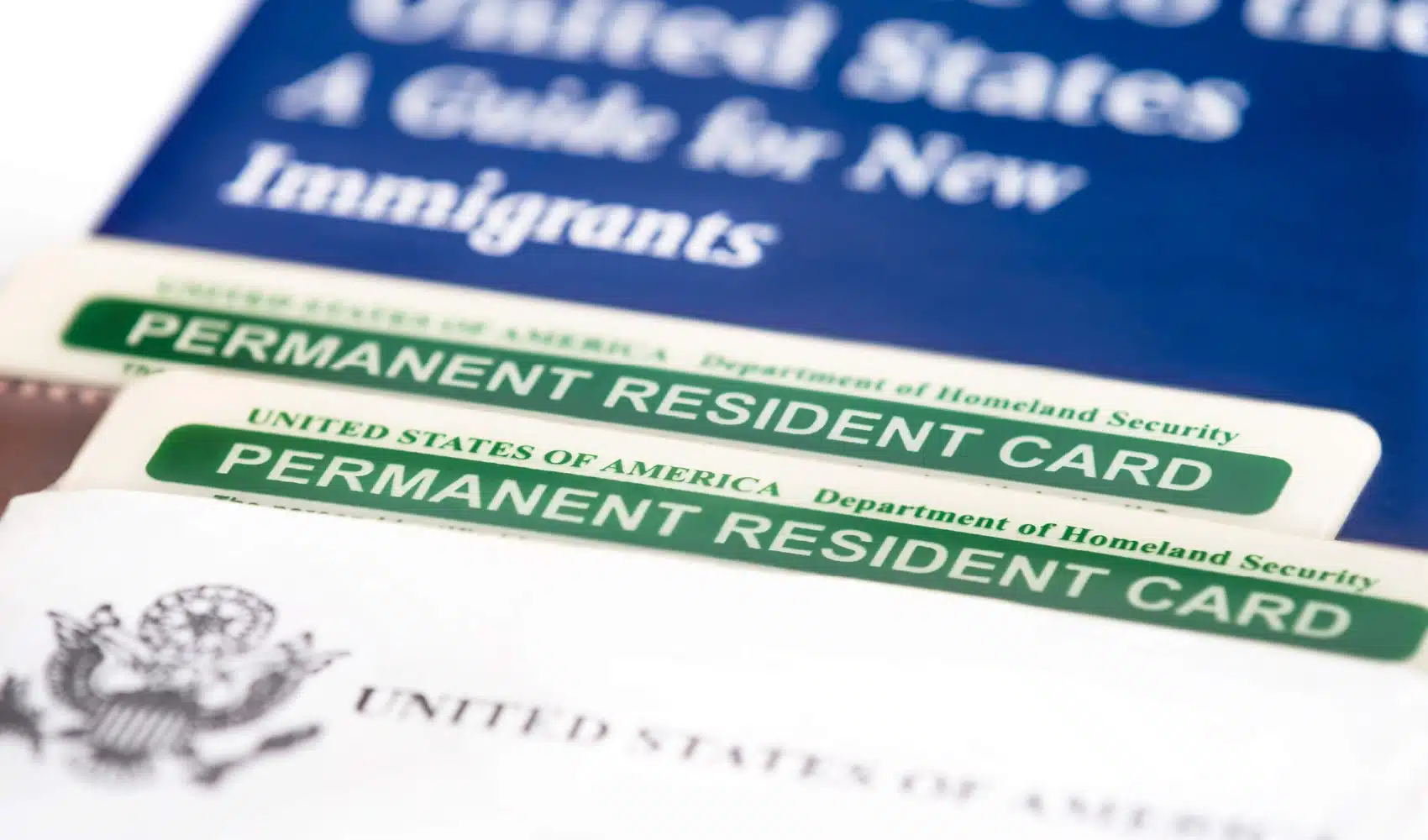

The U.S. tax system often feels like a massive, confusing maze of forms and shifting rules. For millions of people living here without legal permanent status, trying to figure out their financial responsibilities adds another layer of stress. A lot of people assume that if you don’t have a Social Security number, you just don’t exist in the eyes of the tax system. But that’s not how it works. The IRS actually has a long-standing system built just to collect money from everyone earning an income, no matter what their immigration papers say.
If you want to understand how do undocumented immigrants pay taxes, you have to look at the bigger economic picture. It’s pretty surprising for most to find out that billions of dollars flow into the government’s pockets every year from workers who might never get to use the programs those taxes pay for. Whether through special ID numbers or automatic deductions from a paycheck, the process for staying tax-compliant is a lot more established than you might think.
Can Undocumented Immigrants Legally Pay Taxes?
The short answer is yes and they’re actually required to. Under federal law, the IRS expects anyone making money over a certain amount to file a return. The agency cares mostly about collecting revenue, not acting as immigration police. Because of this, they created a way for people who aren’t eligible for a Social Security Number (SSN) to still follow the law.
This is where things get a bit confusing for many: why would the government take money from someone who isn’t “authorized” to be here? From the IRS’s perspective, money is money. Whether you’re a citizen or an undocumented worker, if you’re part of the economy, you owe your share. There’s a big difference between having “legal work papers” and having “tax liability.” You can definitely owe taxes even if you don’t have the legal right to work.
How do illegal immigrants pay taxes
When people ask how illegal immigrants pay taxes, they are usually curious about the actual paperwork. Since you usually need an SSN to file, the government had to come up with an alternative. This system lets the federal government track what people earn and process their payments without needing a number that many simply can’t get.
Using an ITIN (Individual Taxpayer Identification Number)
The most common way to handle this is through an ITIN. This is a nine-digit number the IRS gives out specifically for tax processing. It’s meant for people who have to report taxes but aren’t eligible for a standard Social Security number.
To get one, you have to file a Form W-7 along with a tax return. You also have to prove who you are and show your foreign status with something like a passport. Here’s how it usually works: the ITIN doesn’t give you legal status, it doesn’t let you work legally, and it doesn’t mean you get Social Security later. It’s just for taxes. A lot of folks talk to an immigration lawyers to get this right, since you often have to send in original documents for verification.
Filing a Tax Return Without a Social Security Number
Filing without an SSN basically means you use your ITIN on all your forms, like the 1040. Once you have that number, you can report what you made just like anyone else. This lets workers:
- List the wages they earned all year.
- Claim dependents if they qualify (though these rules have gotten tougher lately).
- Take credit for any taxes their employer has already withheld from their paycheck.
It might feel overwhelming, but it’s a standard routine for millions of people every spring. If you’re doing this for the first time, looking at an undocumented immigrants travel guide or talking to local community groups can help clear up the logistics of living and working while you wait for your paperwork to go through.
What Federal Benefits are Undocumented Immigrants Eligible For?
This is where you see the biggest gap in the system. Even though they pay in, undocumented immigrants are mostly blocked from federal public benefits. They contribute massive amounts to the country’s infrastructure, but they can’t touch the programs those taxes support. They generally can’t access:
- Social Security: Even after decades of paying in, ITIN holders can’t collect a retirement check.
- Medicare: There’s no federal health insurance for them when they get older.
- SNAP (Food Stamps): Food help is usually for citizens or specific “qualified” immigrants.
- Unemployment: Most states won’t pay out unemployment if you don’t have work papers, even if your employer paid the tax for you.
Basically, the government takes the money but doesn’t offer much of a “safety net” in return. The only real exceptions are usually emergency room care or some types of disaster help.
How Do Undocumented Immigrants Work and Pay Taxes?
The way people pay depends a lot on the kind of job they have. There’s a myth that all this work happens “under the table” in cash. While that does happen, a huge portion of the undocumented workforce is actually part of the formal economy.
Payroll Taxes Through Employers
Many undocumented immigrants work and pay taxes right through standard payroll. Often, a worker might give an employer a Social Security number that isn’t theirs or isn’t valid for work. This is a messy legal area, but for the IRS, the result is the same: the employer treats them like any other employee. That means the employer takes out:
- Federal income tax
- State income tax
- Social Security
- Medicare
This money goes straight to the government before the worker even sees their check. A lot of this cash ends up in a “suspense file” because the names don’t match the numbers, but the government keeps it anyway.
Self-Employment & Cash Income Reporting
For people working as contractors like in roofing, cleaning, or landscaping, taxes usually aren’t taken out automatically. These workers have to track their own money. With an ITIN, someone who is self-employed can file a Schedule C to show what they earned. Many people choose this path to stay on the right side of the law. By reporting this income, they pay “self-employment tax,” which covers both the worker and employer portions of Social Security and Medicare. It shows they are trying to follow the rules, even without a traditional employer.
Do Undocumented Immigrants Pay Into Social Security and Medicare?
Yes, and it adds up to billions. Data from the Social Security Administration shows that these workers contribute a massive amount to these funds every year. Because many are working with numbers that don’t match their IDs, their payments are basically a gift to the system. They pay 6.2% for Social Security and 1.45% for Medicare just like a citizen does. But since they don’t have a valid SSN, they can’t claim that money when they retire. This actually helps keep the Social Security system running for everyone else.
Can Undocumented Immigrants Get Tax Refunds or Credits?
Whether you get a refund depends on if you overpaid during the year. If an employer withheld more than you actually owed, you can usually get that money back by filing with an ITIN. Tax credits are more complicated. In the past, some ITIN filers could get the Child Tax Credit for their kids who are U.S. citizens. But laws have changed, making that much harder. Most of the time, if a parent doesn’t have an SSN, they can’t get the Earned Income Tax Credit (EITC), which is one of the biggest tax breaks for low-income families.
Risks and Benefits of Filing Taxes Without Legal Status
Deciding whether to file is a big choice that comes with both fears and perks.
The Risks: The biggest fear is that the IRS will tell ICE where someone lives. However, there’s a law (Section 6103) that generally stops the IRS from sharing your info with other agencies. The “firewall” between tax collection and immigration enforcement usually stays strong because the government wants people to keep paying.
The Benefits:
- Good Moral Character: If you ever try to get a green card, showing you’ve paid taxes is huge evidence that you’re a responsible person.
- Proof of Presence: Tax returns are official proof of exactly how long you’ve been in the country.
- Banking: Having an ITIN and tax history can help you open a bank account or get a loan in some places.
If you’re worried about how this affects your specific situation, it’s a good idea to contact Fayad Law or another expert who knows how tax and immigration laws overlap.
Final Verdict
The reality of how do undocumented immigrants pay taxes is a lot different than what you usually hear in political debates. Millions of people are quietly contributing nearly $100 billion in taxes every year across the country. Through the ITIN system, they meet their obligations and pay for programs they may never get to use. Whether it’s to build a case for staying in the U.S. later or just to follow the rules, filing taxes is a major, though often ignored, part of how the American economy stays moving.
Frequently Asked Questions
Can undocumented immigrants really file taxes without a Social Security number?
Yes, they can. They use an ITIN (Individual Taxpayer Identification Number) from the IRS. It’s just for taxes and doesn’t require you to have legal status.
Why would undocumented immigrants pay taxes if they don’t get benefits?
Mainly to follow the law and show “good moral character.” Having a clean tax record can be a big help if there’s ever a chance to apply for legal status later on.
Do undocumented immigrants pay more or less tax than citizens?
Often they pay more relative to what they get back. Their tax rates are the same, but they can’t get many common credits and will likely never see the Social Security or Medicare benefits they’ve paid for.
Can paying taxes help with getting a green card later?
It can. It doesn’t guarantee anything, but it’s great proof that you’ve been in the U.S. and that you follow the law. Immigration officers usually view tax compliance very positively.
What happens if an undocumented worker doesn’t file taxes?
Just like anyone else, they could face fines or interest. Also, if they ever try to fix their immigration status, not having filed taxes could be used against them as a sign that they didn’t follow the rules.
“Disclaimer: The information provided in this blog post is for general informational purposes only and does not constitute legal advice. Reading this post does not create an attorney-client relationship. Immigration laws and USCIS procedures change frequently; please consult with a qualified immigration attorney regarding your specific case.”