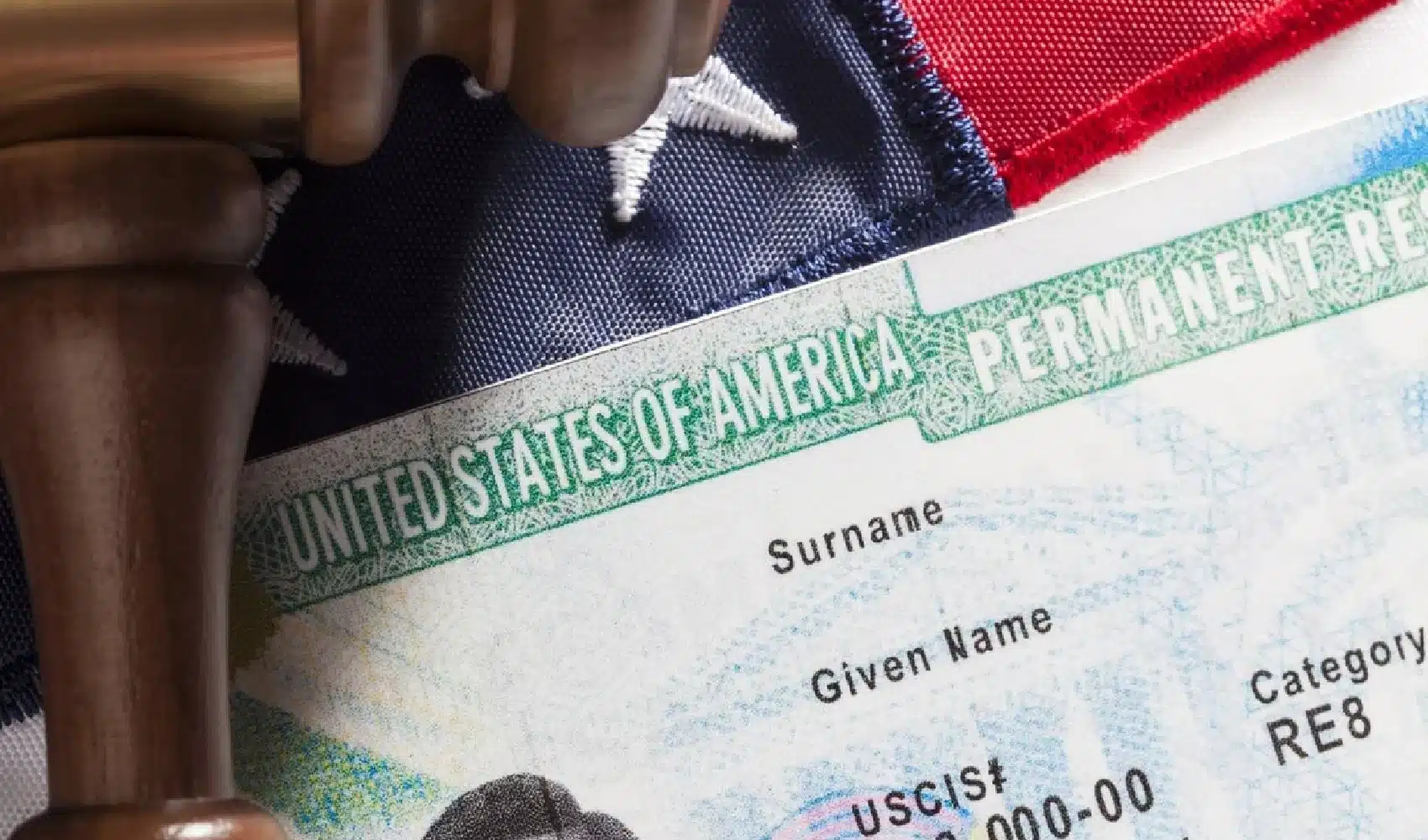

Having a green card usually feels like solid ground, a real sense of security for your life in the United States. Most people think renewing it is just a routine task, like getting a new driver’s license. But that’s not always how it goes. Can green card renewal be denied? It actually happens more often than you might think. While the card is technically just a piece of plastic that proves your status, the renewal process gives USCIS a chance to look at your record and see if you’ve actually followed the rules of your residency.
When a green card denied notice arrives, it can feel like the floor is dropping out from under you. Usually, these denials aren’t random. They happen because of specific legal violations or simple mistakes made during the ten years since the last card was issued. Understanding the why is the first step in figuring out how to fix it.
Top Reasons for Green Card Renewal Denial
USCIS does more than just check your new photo when you send in your application. They run background checks and look for anything that might have changed since you first became a resident. If your legal standing has shifted, your renewal might be in trouble.
Criminal History or Immigration Violations
This is the big one. Under the immigration and nationality act, certain types of criminal convictions can make a person inadmissible. If you’ve been convicted of specific crimes, especially those involving drugs or what the law calls “moral turpitude” USCIS might deny your I-90.
A lot of people think only major felonies matter, but that’s not always true. Even some misdemeanors can create a mess. If a background check during renewal shows a record that wasn’t cleared up before, the officer might decide you shouldn’t hold a green card anymore. In these spots, a green card holder can be deported if the crime is serious enough to start removal proceedings.
Abandonment of Permanent Residence
A green card is for people who truly live in the U.S. If you stay outside the country for too long, usually more than six months or a year, the government might decide you’ve abandoned your home here.
This is where things get confusing for many people. You might think that flying back once a year for a week is enough to keep your status, but USCIS looks at where your life actually is. If you’re working a job in another country and don’t have a home or bank account in the U.S., they may deny your renewal because they don’t see you as a real resident anymore.
Failure to Respond to USCIS Requests (RFE)
Sometimes the denial isn’t about a crime; it’s just about mail. If USCIS needs more info or a clearer copy of a document, they’ll send a Request for Evidence (RFE).
If you miss that letter or don’t send back what they asked for by the deadline, they will likely deny your application for “abandonment.” It feels like a silly reason to lose a renewal, but it happens all the time due to address changes or lost mail.
Prior Removal or Deportation Orders
If you were ever put in deportation proceedings and a judge signed an order for you to leave, that order stays in the system. Even if you stayed in the U.S. and nothing happened for years, trying to renew your card will flag that old order. Instead of a new card, you might end up facing immigration enforcement.
What Happens If Your Green Card Renewal Is Denied?
Getting that denial letter is a heavy moment, but you have to keep a cool head. A denied I-90 doesn’t always mean you’re being kicked out immediately. The letter will usually list the specific reasons for green card renewal denial.
Here’s how it usually works: the notice will explain the decision and tell you if you have the right to file a motion to reopen the case. This is your chance to show that USCIS made a mistake or to provide new facts that they didn’t have the first time around.
What is Difference between Green Card Denied & Renew Denied
It helps to know the difference between these two scenarios, as they aren’t exactly the same thing.
- Initial Application Denied: This happens when you first try to get your residency. If this is denied, you never officially became a permanent resident.
- Renew Denied: In this case, you already have your status. The denial is specifically for the physical document.
Don’t let that distinction make you feel too safe, though. If the renewal is denied because of a crime, USCIS is basically saying you aren’t eligible for the status itself anymore. Often, a denied renewal is just the first step the government takes before trying to revoke your residency entirely.
Can Green Card Holders Be Denied Entry to the U.S.?
Yes, can green card holders be denied entry is a major concern for travelers. Even if your card is still valid, Customs and Border Protection (CBP) officers check your eligibility every time you land at an airport.
If you have a criminal record or if they suspect you’ve been living outside the U.S. too long, you could face some tough questions. If they think you’ve broken the rules of your residency, they might try to get you to give up your card or give you a notice to appear in court. This is why having a clean renewal process is so important for anyone who travels.
What to do Next If renewal Is Denied?
If the denial happens, you have to act fast. Usually, you only have about 30 days to file a legal challenge or a motion to reconsider the decision.
Does It Affect Your Green Card Status?
Here is the main thing to remember: your status as a resident is separate from the physical card. Your residency generally stays valid until a judge says otherwise. But without that card, life gets very difficult. You won’t have “evidence of status,” which means you may struggle to:
- Prove you can work a new job.
- Travel and get back into the country.
- Renew your driver’s license.
If the denial was for something serious, like a felony, your actual status is at high risk because the government might follow up with a move to deport you.
How to Avoid Green Card Renewal Denial
The best way to deal with a denial is to make sure it never happens. Most of the time, you can stay safe by following the Easy steps to renew a green card and keeping your record clean.
Maintain Continuous Residence
To avoid any talk of abandonment, try to keep your trips abroad short. If you have to be away for a year or more, apply for a Re-entry Permit before you leave. It shows the government that you still consider the U.S. your permanent home.
File Taxes Properly
Your tax returns are a huge trail of evidence. If you file as a “non-resident” to save on taxes, USCIS will see that as an admission that you don’t actually live here. Always file as a resident.
Avoid Criminal Issues
Even things that seem small, like a minor scuffle or a DUI, can create massive problems for your immigration status. You have to be totally honest on your forms. Lying about an arrest is fraud, and that is one of the top reasons to deny green card renewal.
Submit Accurate & Complete Forms
Always look over the Form I-90 Instructions one last time before mailing. Simple things like a missing signature or the wrong fee amount can get your application sent back. While that’s not as bad as a denial, it still messes up your green card renewal timeline.
When to hire an immigration lawyer
If your case is simple and your record is totally clean, you can probably handle the renewal yourself. But if there’s any gray area, it’s worth talking to a professional. You should definitely find a lawyer if:
- You’ve ever been arrested, even if the case was dropped.
- You spent a long time outside the U.S.
- You’re worried about citizenship denied what happens to green card issues.
- You already got a denial and need to figure out your next move.
An expert can help you look at the immigration and nationality act to see how it applies to your specific situation, ensuring a small mistake doesn’t turn into a life-changing problem.
FAQ Section
Can I apply again after green card denial?
Yes, in many cases you can. If you were denied because you forgot a document or made a typo, you can usually just refile a new I-90 with the right info. But if you were denied for a serious legal reason, refiling won’t help until that underlying issue is fixed.
Can you be deported if your permanent resident card expires?
You won’t be deported just because the date on the card has passed. You are still a resident. However, can you be deported if your permanent resident card expires becomes a real concern if the reason the card expired (and wasn’t renewed) is because you committed a crime that makes you deportable.
If my green card renewal is denied, do I lose my status immediately?
No, not immediately. Only an immigration judge can officially take away your permanent resident status. But a denial is a sign that the government might be looking to start that process against you.
What if I provide false information on my green card?
That is considered fraud. If USCIS finds out you lied about something important, they can deny your renewal and take steps to revoke your green card entirely. It can also lead to a permanent ban from ever getting another visa.
What should I do if USCIS sends a Request for Evidence (RFE)?
Don’t panic, but don’t wait. Gather exactly what they asked for and mail it back as fast as possible. If you don’t have the specific document they want, you may need to send “secondary evidence,” like affidavits or other records, to prove your point.
“Disclaimer: The information provided in this blog post is for general informational purposes only and does not constitute legal advice. Reading this post does not create an attorney-client relationship. Immigration laws and USCIS procedures change frequently; please consult with a qualified immigration attorney regarding your specific case.”